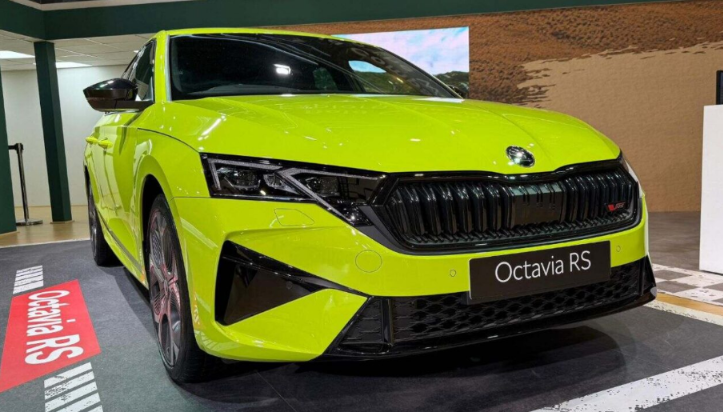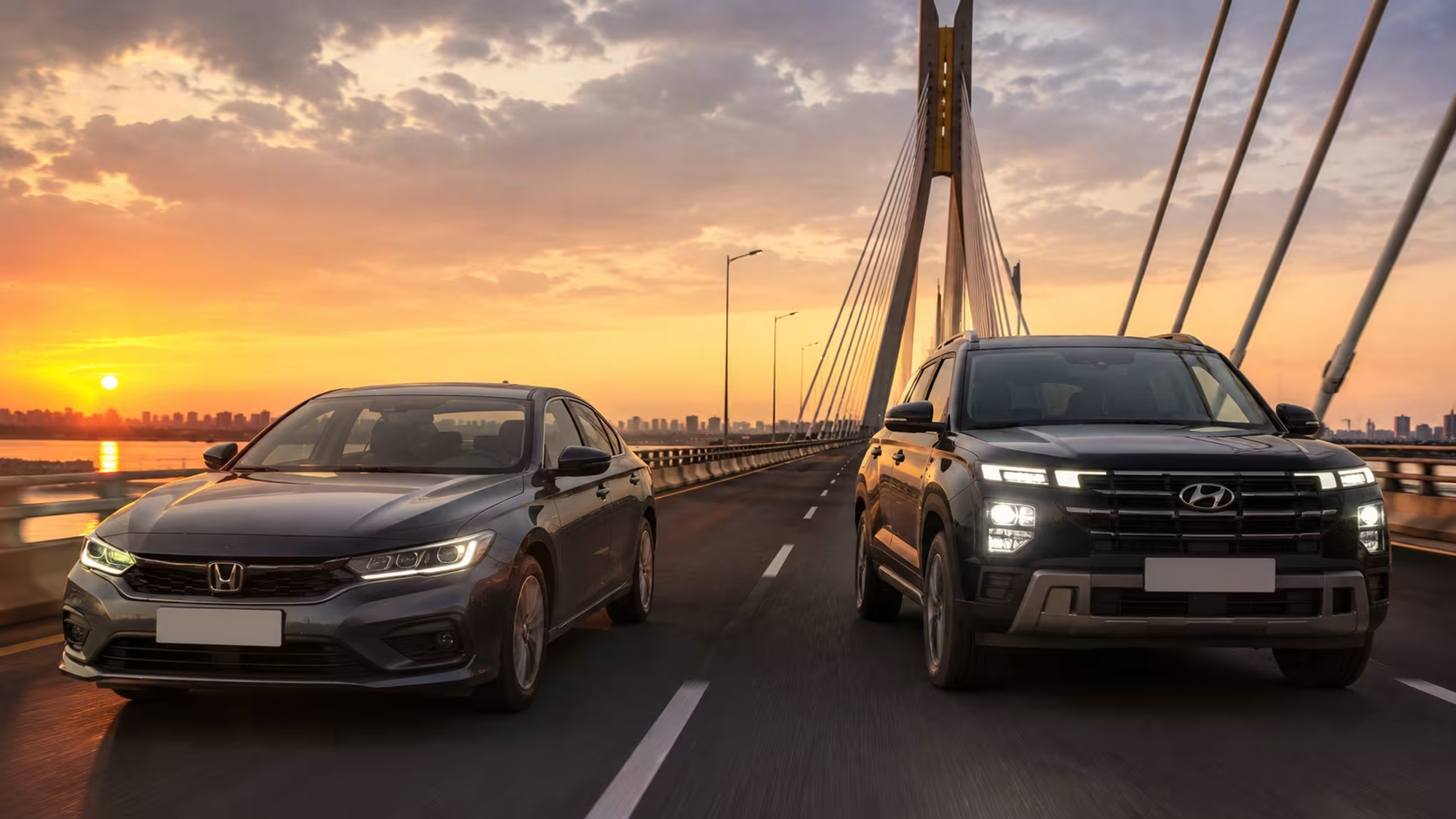
Deciding between a Sedan vs SUV is no longer only about aesthetics. Today’s sedans and SUVs have great technology, solid safety features and great performance but each is suited for distinct driving demands. SUVs may be prized for utility and the elevated seating position, but sedans still earn fans for their gas mileage, comfortable ride and handling on the highway.
The appropriate option is dictated by your lifestyle, not by the trends of the moment. Based on my driving experience on city streets, highways and difficult roads, I’ve learned that sedans handle best on smooth roads while SUVs make me feel more confident on uneven terrain. Rather of figuring out which is superior, think about which car best meets your regular driving and long-term demands.

READ MORE: Honda Scooters India 2026: Future Adventure, Performance & EV Plans
What Is a Sedan?
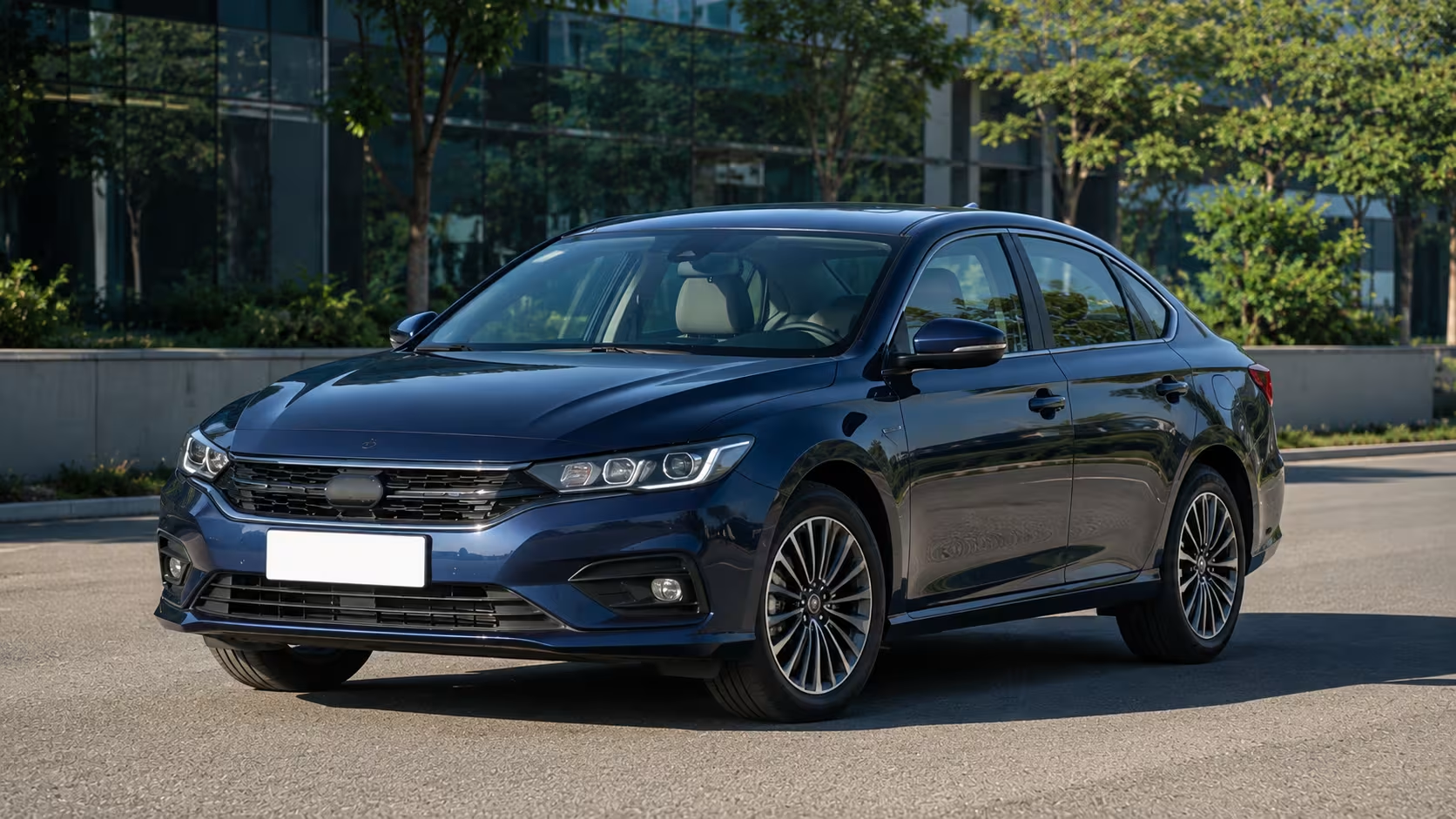
Sedan – a four-door passenger vehicle having a separate engine compartment, passenger compartment and trunk. It has been a popular choice for purchasers seeking comfort, fuel efficiency and a refined driving experience for a long time. Whether you’re commuting to work or travelling long distance a sedan offers a good mix of utility and performance.

The lower ride height of a sedan is one of its main benefits, which provides it a lower center of gravity. This results in superior handling, more stability in corners and less body roll which makes it fun to drive on highways and properly maintained roads. The sleek aerodynamic shape also decreases wind resistance, which helps increase fuel economy and reduce cabin noise at high speeds.
Sedans, with their smaller size and tighter turning radius, are easier to park and navigate, which makes them a good choice for navigating congested city streets. High-end amenities such as huge touchscreen infotainment systems, wireless Apple CarPlay and Android Auto, numerous airbags, electronic stability control, ADAS, 360-degree cameras, ventilated seats and linked automobile technologies are loaded in today’s sedans. These characteristics make today’s sedans a practical, safe and pleasant alternative for people, professionals and small families.
Advantages of Choosing a Sedan
A sedan remains an excellent choice for buyers looking for:
- Better fuel economy
- Smooth highway performance
- Superior cornering stability
- Comfortable daily commuting
- Lower maintenance costs in many cases
- Easier parking in urban environments
- Refined and quieter cabin experience
What Is an SUV?
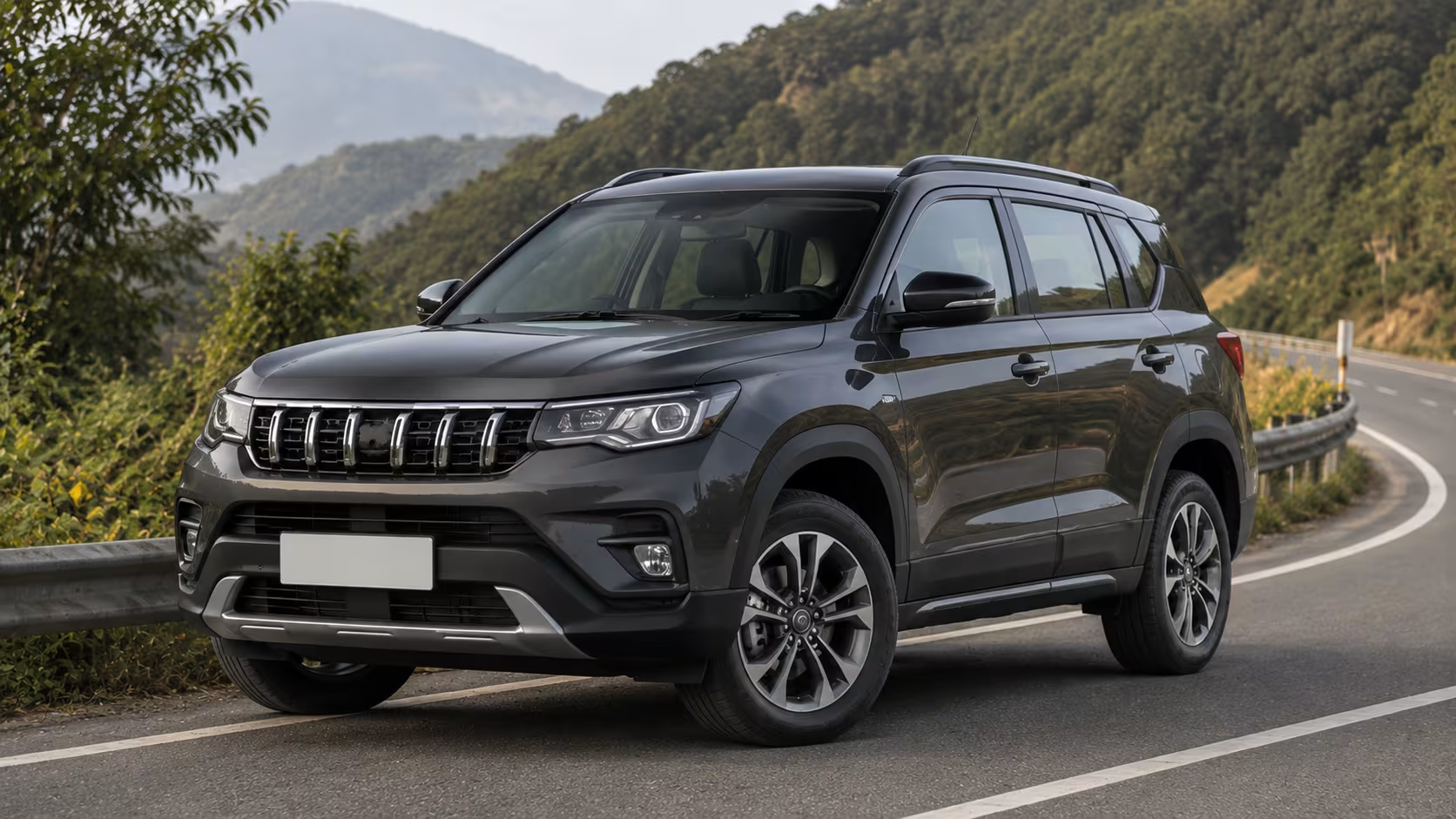
An SUV (Sport Utility Vehicle) has a taller body, higher sitting position, and more ground clearance than a sedan. Originally intended for off-road driving, today’s SUVs comprise small, crossover, midsize and luxury styles appropriate for city streets and long-distance trips.
The commanding driving position is one of the main advantages of an SUV since it gives you superior sight in traffic and enhances driver confidence. Its increased ground clearance also makes it more suitable for uneven roads, speed breakers and wet areas. SUVs include roomy interiors, adaptable luggage areas, and fold-down rear seats, which make them a great choice for families and road trips. However, their greater size and heavier weight may lead to somewhat inferior fuel economy and higher ownership costs compared to sedans.
Sedan vs SUV: Key Differences
The Sedan vs SUV debate extends far beyond appearance. Those two body designs were built with distinct goals and those design decisions have a direct impact on day to day ownership. Efficiency, stability and driving accuracy are the DNA of a sedan. The car’s low center of gravity means it stays planted in corners and is a confident and fun drive on highways.
Sedans are normally more fun to drive; their handling is more predictable, and the steering is more responsive, which is what most drivers want.
An SUV focuses more on versatility and practicality. Higher suspension travel, increased ride height, and larger cabin dimensions allow it to tackle challenging road conditions more comfortably while accommodating passengers and luggage with greater ease.
| Feature | Sedan | SUV |
| Driving Position | Low and sporty | High and commanding |
| Ground Clearance | Lower | Higher |
| Fuel Efficiency | Generally better | Slightly lower |
| Handling | Sharp and stable | Comfortable but less agile |
| Boot Space | Separate enclosed trunk | Larger flexible cargo area |
| Parking | Easier in cities | Requires more space |
| Highway Stability | Excellent | Very good |
| Broken Roads | Average | Excellent |
| Passenger Space | Comfortable | More spacious |
| Road Presence | Elegant | Bold and commanding |
City Driving
Sedans usually seem lighter, more nimble and simpler to drive for regular urban commuting. Because of their tighter turning circle and smaller size, they are also simpler to park in congested retail malls or business parks.
But in heavy traffic, SUVs are better since they sit higher. You could live with a tiny crossover SUV in the city just so much, but not anymore.
Highway Performance
If you do most of your driving on the highway, a sedan will frequently give you a smoother, quieter ride. Better aerodynamics means less wind resistance, which means better stability at greater speeds and better fuel efficiency.
They’re still comfy highway cruisers, especially for families. Because they sit higher, drivers have a better perspective of the road ahead, which many drivers find makes long-distance driving less tiresome. However, when it comes to high-speed cornering, SUVs could have a bit more body roll than sedans of a same price range due to their higher body structure.
Which Offers Better Ride Comfort?
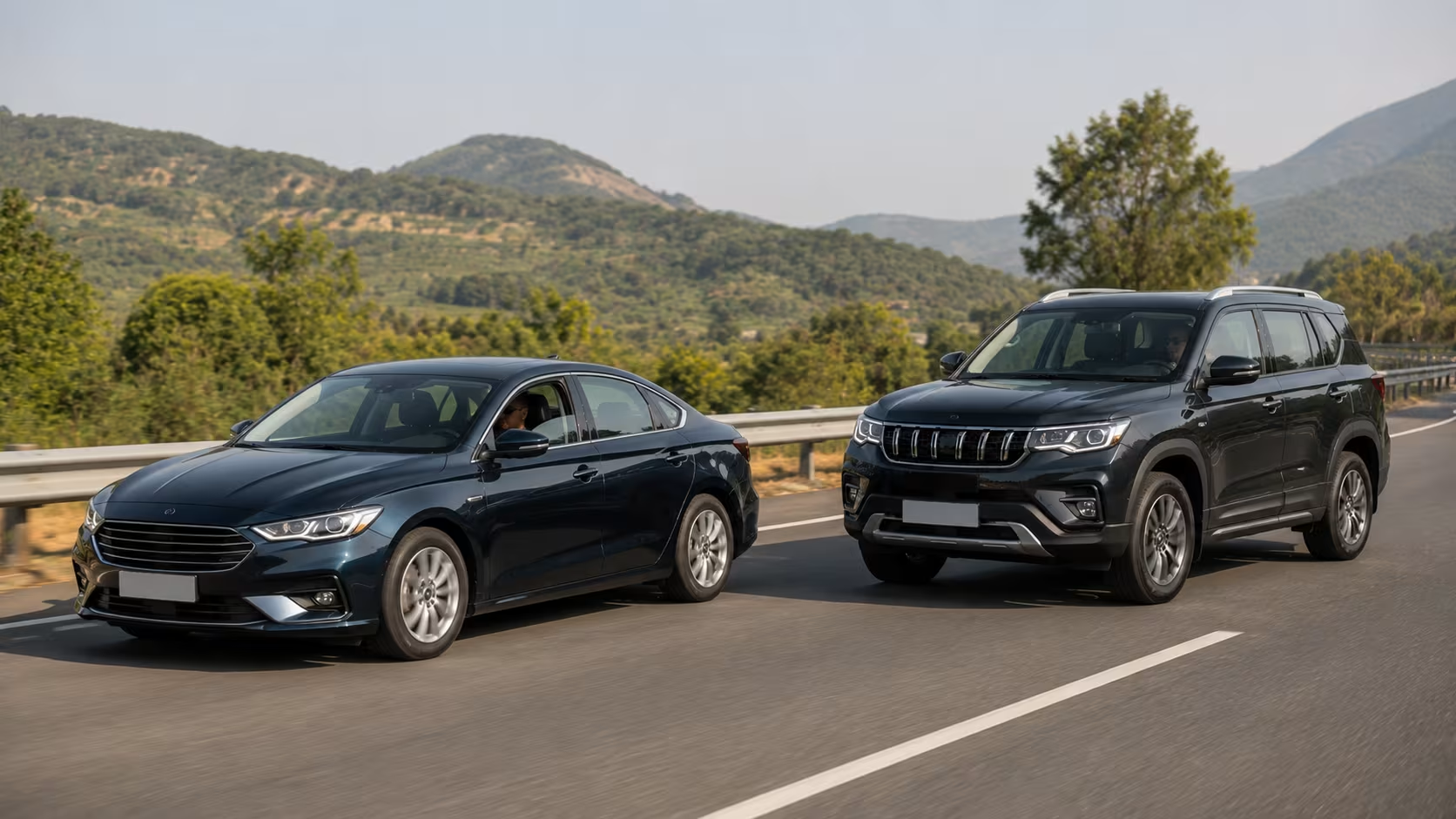
If you are comparing a Sedan to an SUV, ride comfort is one of the most significant considerations and the right option relies on your driving circumstances. Thanks to a lower center of gravity and adjusted suspension, sedans deliver a smoother, quieter ride on highways and well-maintained roads. However, the higher ground clearance and longer suspension travel of SUV is ideal for uneven roads, potholes and speed breakers.
In my opinion, a sedan is a more polished and soothing experience on lengthy interstate rides, while an SUV gives you more confidence on broken roads and rough terrain. Ultimately the most comfortable option comes down to where you travel every day.
Fuel Efficiency Comparison

Fuel economy is another important factor when comparing Sedan vs SUV.
Sedans tend to get greater mileage since they are lighter, lower, and more aerodynamic. There is less wind resistance thus the engine doesn’t have to work as hard. Especially at highway speeds. It helps to save gasoline and cut down on running costs in the long term.
SUVs often consume more gasoline due to their heavier weight, higher body and wider tires. However, recent years have seen the gap close considerably with new turbocharged petrol engines, economical diesel choices, mild hybrids, strong hybrids and plug-in hybrid SUVs.
Safety Comparison
Safety is generally one of the first questions consumers ask in the Sedan versus SUV discussion.
A lot of people think SUVs are automatically safer because they’re bigger and higher up. The raised sitting position does help for forward view but size is a long way off being the most important factor in vehicle safety. Modern crash structures, airbag systems, electronic stability control, ABS, traction control and Advanced Driver Assistance Systems (ADAS) all have an important part to play in safeguarding people. It’s also important looking out the Bharat NCAP or Global NCAP crash-test rating of any vehicle before you buy it to see how it does in independent safety tests.
Most sedans have a lower center of gravity, therefore they tend to be more stable in emergency movements and less likely to experience significant body roll. SUVs, however, provide more confidence on bad roads and flooded streets with their high ride height.
Maintenance and Ownership Costs
Long-term ownership costs are just as important as the purchase price. Sedans generally cost less to own because they offer better fuel efficiency, lower tyre and maintenance costs, and often cheaper insurance. SUVs are usually bigger and could have heavier components, which might make their running and service costs a little higher.
However, SUVs are more popular and hence they tend to have a better resale value. Before you make a decision check the fuel costs, service, insurance, tire replacement, depreciation and resale value so you can get a realistic picture of the cost of ownership.
Sedan vs SUV: Pros and Cons
| Sedan | SUV |
| Better fuel efficiency | Higher ground clearance |
| Excellent highway stability | Better visibility |
| Easier to park | More spacious cabin |
| Lower maintenance costs | Better rough-road capability |
| Sharper handling | Greater luggage capacity |
| Quieter aerodynamic design | Stronger road presence |
| Lower purchase price in many cases | Higher resale demand in many segments |
| Limited off-road ability | Slightly higher fuel and maintenance costs |
Final Verdict
Ultimately, whether you choose a sedan or SUV relies on your driving demands and lifestyle. For those who mostly travel on city streets and highways, sedans provide greater gas mileage, more refined handling and cheaper ownership expenses. If you travel often on bad roads, with family or for weekend vacations, an SUV offers better practicality and confidence.
I’ve driven both and I don’t think one is always better for everyone. A sedan works best on smooth highways, while an SUV is more at home on rough roads. I’d suggest trying both and seeing which one fits best into your day-to-day life and long-term requirements.