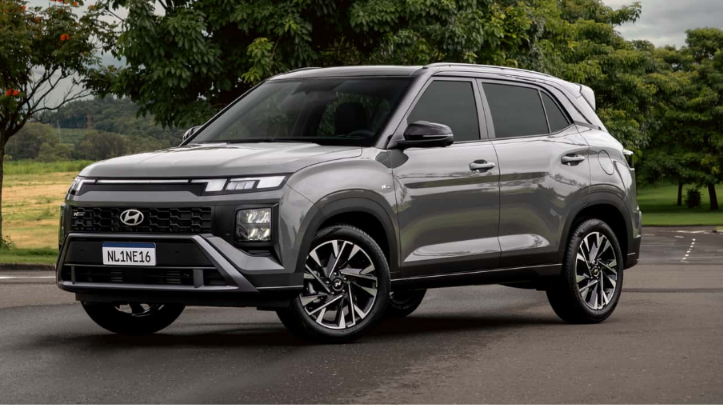
The Hyundai Creta is one of the major reasons behind Hyundai’s success in the midsize SUV segment in India and it has continued to attract buyers with its blend of comfort, features and value. With competition heating up, Hyundai is said to be working on a brand new third-gen Creta, due in 2027. Unlike a standard facelift, the upcoming model is expected to bring major mechanical and design changes. Industry reports suggest it could be built on Hyundai’s newer K3 architecture, which would allow for a larger cabin, improved structural rigidity and better driving dynamics. Another major point of interest is the anticipated arrival of a robust hybrid powertrain, which aligns with the broader approach of Hyundai to expand its electric vehicle lineup in India.
A fresh design, a new platform, and the possibility of a hybrid powertrain are among the biggest expected changes. If these updates make it to production, the upcoming Creta could become one of Hyundai’s most important launches in India.
Fresh Exterior Design Expected
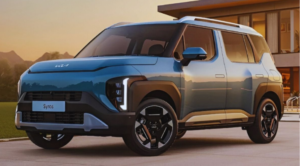
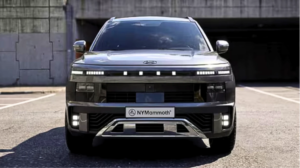
The next-generation Hyundai Creta is expected to receive a completely refreshed look. Instead of making small cosmetic changes, Hyundai is likely to redesign the SUV to match its latest global styling language.
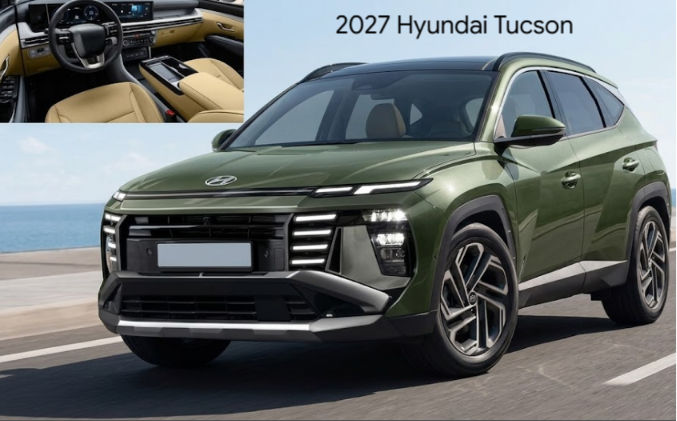
At the front, the SUV may get a larger grille, newly designed LED headlamps, sharper daytime running lights, and a more muscular bumper. The side profile could feature cleaner body lines, stylish alloy wheels, and slightly improved proportions that give the SUV a stronger road presence.
The rear section is also expected to look more modern. Connected LED tail lamps, a redesigned tailgate, and a sportier bumper design could give the Creta a more premium appearance. Overall, Hyundai is expected to make the SUV look bolder without losing the identity that has made the Creta so popular.
A New Platform Could Make a Big Difference
One of the biggest expected changes is underneath the body. Reports suggest Hyundai may build the next-generation Creta on a new platform.
A newer platform usually brings several benefits. It can improve structural strength, make the SUV safer during collisions, and offer better ride quality. It may also reduce cabin noise and vibrations, making long journeys more comfortable.
Another advantage of a new platform is that it can support future technologies more efficiently, including hybrid powertrains and advanced safety systems. However, Hyundai has not officially confirmed these details, so buyers should treat them as expectations for now.
Hybrid Power Could Be the Biggest Upgrade
Perhaps the most exciting update is the expected hybrid engine. With stricter emission norms and increasing demand for fuel-efficient vehicles, Hyundai appears to be preparing a hybrid option for the next-generation Creta.
While the company has not revealed technical specifications, the expected setup could combine a petrol engine with an electric motor. Such a system would improve fuel efficiency, reduce emissions, and offer smoother performance, especially during city driving.
The existing petrol and turbo-petrol engines could still remain available in selected variants, but Hyundai is expected to finalise the powertrain options closer to launch.
If the hybrid version is introduced, it would help Hyundai compete more strongly with SUVs that already offer hybrid technology in India.

Cabin Likely to Feel More Premium
Hyundai has always focused on offering feature-rich interiors, and the upcoming Creta is expected to continue that tradition.
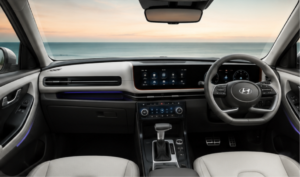
The cabin may receive an all-new dashboard layout with a larger touchscreen infotainment system and a fully digital instrument cluster. Buyers can also expect wireless Android Auto and Apple CarPlay, ventilated seats, premium upholstery, ambient lighting, wireless phone charging, and automatic climate control.
Hyundai may also improve seat comfort and use better-quality materials throughout the cabin. Rear passengers could benefit from improved legroom and additional convenience features, making the SUV even more suitable for family travel.
More Safety Features on Offer
Safety has become an important deciding factor for Indian buyers, and Hyundai is expected to strengthen the Creta’s safety package.
The upcoming SUV may offer six airbags as standard, Electronic Stability Control (ESC), Hill Start Assist, a 360-degree camera, parking sensors, tyre pressure monitoring, and disc brakes on all four wheels.
Higher variants are also expected to feature Advanced Driver Assistance Systems (ADAS). These may include adaptive cruise control, lane keep assist, blind-spot monitoring, forward collision warning, and automatic emergency braking.
The final equipment list will only be confirmed once Hyundai officially unveils the SUV.
Smarter Technology for Everyday Use
Connected technology has become a key feature in modern SUVs, and the next-generation Creta is expected to offer several improvements in this area.
Features like over-the-air software updates, connected car technology, voice commands, remote engine start, vehicle tracking, digital key functionality, and smartphone-based controls could be available.
Hyundai is also expected to improve the infotainment system with faster software, better graphics, and smoother smartphone connectivity. These updates would make the overall ownership experience more convenient for daily users.
Expected Launch Timeline
Hyundai has not announced an official launch date for the next-generation Creta. However, multiple reports indicate that the SUV could make its global debut sometime in 2027, followed by its launch in India.
Prototype testing is expected to begin well before the official unveiling, and more reliable information should emerge as development progresses.
Until Hyundai shares official details, all current information should be considered expected rather than confirmed.
Expected Price in India
Since the upcoming Creta is likely to receive a new platform, premium features, and possibly a hybrid powertrain, its pricing could be slightly higher than the current model.
Industry estimates suggest the SUV may be priced between ₹12 lakh and ₹22 lakh (ex-showroom), depending on the chosen variant and engine option. Hyundai has not confirmed the pricing yet, so these figures remain estimates.
Expected Rivals
Once launched, the new Hyundai Creta will continue to compete in one of India’s most competitive SUV segments.
Its main rivals are expected to include the Maruti Suzuki Grand Vitara, Toyota Urban Cruiser Hyryder, Kia Seltos, Honda Elevate, Volkswagen Taigun, Skoda Kushaq, Tata Curvv, and MG Astor.
With many competitors already focusing on better fuel efficiency and modern technology, Hyundai is expected to position the next-generation Creta as a more premium and future-ready SUV.
Final Verdict
The upcoming Hyundai Creta 2027 will be a major leap forward for one of India’s best-selling midsize SUVs. A new design, a roomier cabin, upgraded technology, improved safety and the option of a fuel-efficient hybrid powertrain could make it a more complete package for today’s buyers. These expected changes suggest that Hyundai aims to offer better comfort, practicality, and efficiency while maintaining the Creta’s bold road presence.
The next-gen Creta could still be a strong player in its segment. Although the final specifications are still under wraps, early expectations indicate that the 2027 Creta has the potential to continue its winning streak and remain a top pick for families as well as SUV aficionados.