Hyundai is preparing a new compact electric SUV for India, internally known as the HE1i. Expected to sit below the Creta Electric, the new EV could target buyers looking for a more affordable electric SUV. Reports suggest it will be built at Hyundai’s Sriperumbudur plant in Tamil Nadu, with exports also being considered.
The HE1i is expected to feature a modern cabin, electric powertrain and advanced driver-assistance technology, although Hyundai has not yet confirmed its specifications.

Pleos Connect could transform the cabin
The upcoming Hyundai EV could also feature the company’s new Pleos Connect infotainment system. It combines a large central touchscreen with a slim driver display and supports features such as app integration, AI-powered voice interaction and over-the-air updates.
The system is designed to make the cabin feel more connected while keeping physical controls for frequently used functions. If introduced in the HE1i, Pleos Connect could give Hyundai an edge in the compact EV segment.
Compact Dimensions, But a Practical EV Cabin
The upcoming Hyundai electric SUV will focus on urban buyers who want the higher seating position and road presence of an SUV without moving into a larger vehicle. Its compact footprint should make it easier to drive and park in crowded Indian cities, while the dedicated EV architecture should help Hyundai make better use of the available cabin space.
The HE1i will use the E-GMP (K) platform, which Hyundai also uses for the global Inster EV. Unlike an EV converted from an internal-combustion platform, this architecture has been designed specifically for electric powertrains.
That approach could help Hyundai create a relatively spacious cabin despite keeping the exterior within the sub-4-meter category. A flat-floor layout and efficient packaging should also help improve passenger comfort, particularly for buyers who expect a small SUV to handle daily family duties.
Battery Options Could Bring Up to 450 km of Range
Hyundai has confirmed that the HE1i will receive two battery versions, including a standard-range and a long-range configuration. The company has not officially announced the final battery capacities or India-specific range figures yet. For reference, the international Inster uses 42 kWh and 49 kWh battery options, with claimed WLTP ranges of up to 300km and 355 km respectively.
The India-spec model could receive a larger or differently calibrated battery setup to suit local requirements. A target of around 450 km would make the Hyundai small EV particularly attractive to buyers who want one EV for both city commuting and occasional highway journeys. However, buyers should treat the 450 km figure as an expected target rather than a confirmed official range until Hyundai releases final specifications.
Hyundai also plans to localise battery sourcing for the vehicle. Recent reports indicate that Svolt cells will initially support production, while Hyundai intends to move toward locally produced cells through its association with Exide.
E-GMP Platform and Level 2 ADAS Raise the Technology Bar
The E-GMP (K) architecture could become one of the HE1i’s biggest technical strengths. Hyundai has developed the platform for compact electric vehicles, giving the upcoming sub-4-meter EV a dedicated foundation rather than adapting an existing petrol or diesel platform.
Safety technology will also play an important role. Hyundai has confirmed Level 2 assisted-driving technology for the upcoming compact EV. This could bring features that actively support the driver during highway and traffic situations, although Hyundai will need to reveal the exact ADAS functions and operating conditions closer to launch.
The combination of a dedicated EV platform, connected technology and Level 2 assistance could make the HE1i one of the most technologically advanced vehicles in India’s affordable EV space.
Hyundai Small EV vs Tata Punch EV
The Tata Punch EV will be one of the key vehicles in the HE1i’s competitive set. Tata currently offers the Punch.ev with 30 kWh and 40 kWh battery options, while its latest 40 kWh version delivers an ARAI-certified range of 468 km and around 355 km of claimed real-world C75 range.
The Punch EV also offers a technology-focused cabin with a large infotainment screen, digital cockpit, connected features and advanced safety equipment, including a 360-degree camera and blind-spot monitoring on higher variants.
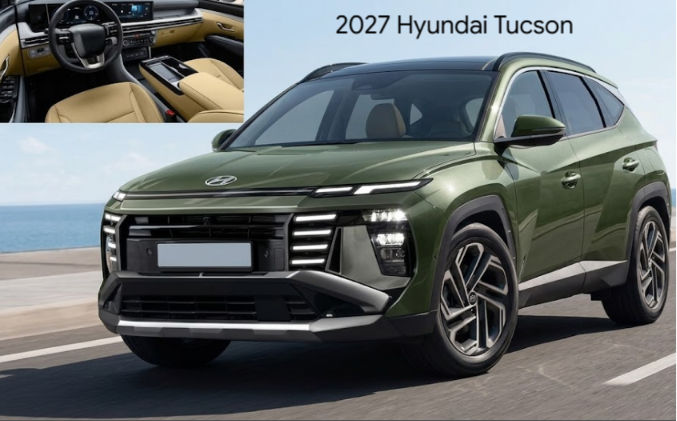
This makes the Tata a serious benchmark for Hyundai. The upcoming Hyundai electric-powered SUV will want to match the Punch EV on variety and practicality while offering something extra through its Pleos connect system, premium cabin enjoyment, and Stage 2 ADAS. Hyundai’s emblem reputation, committed EV platform and strong technology package should help it stand out when it arrives. Hyundai is also preparing the 2027 Hyundai Tucson, which will feature a tougher and more boxy design aimed at giving the SUV a stronger road presence.
Final Verdict
The HE1i has the capacity to grow to be a giant addition to Hyundai’s Indian EV portfolio. Its compact dimensions, E-GMP (ok) platform, two battery options and predicted long-variety functionality may make it a sensible desire for urban and intercity use. Extra importantly, the advent of the Pleos Connect machine may want to deliver the small Hyundai EV a quite modern cabin experience. With the Tata Punch EV already setting strong benchmarks, Hyundai will need to carefully price stability, variety, equipment and practicality. If it gives you the predicted mixture of around 450 km of variety, advanced connectivity and stage 2 ADAS, this sub-four-meter EV may want to grow to be one of the most carefully watched electric SUVs in India.